
Shawn Maschino

Critical Infrastructure Cyber Resilience: Architecture Priorities for Leaders
Critical infrastructure security should preserve essential functions through consequence-driven architecture, controlled access, segmentation, trusted recovery, and realistic exercises.
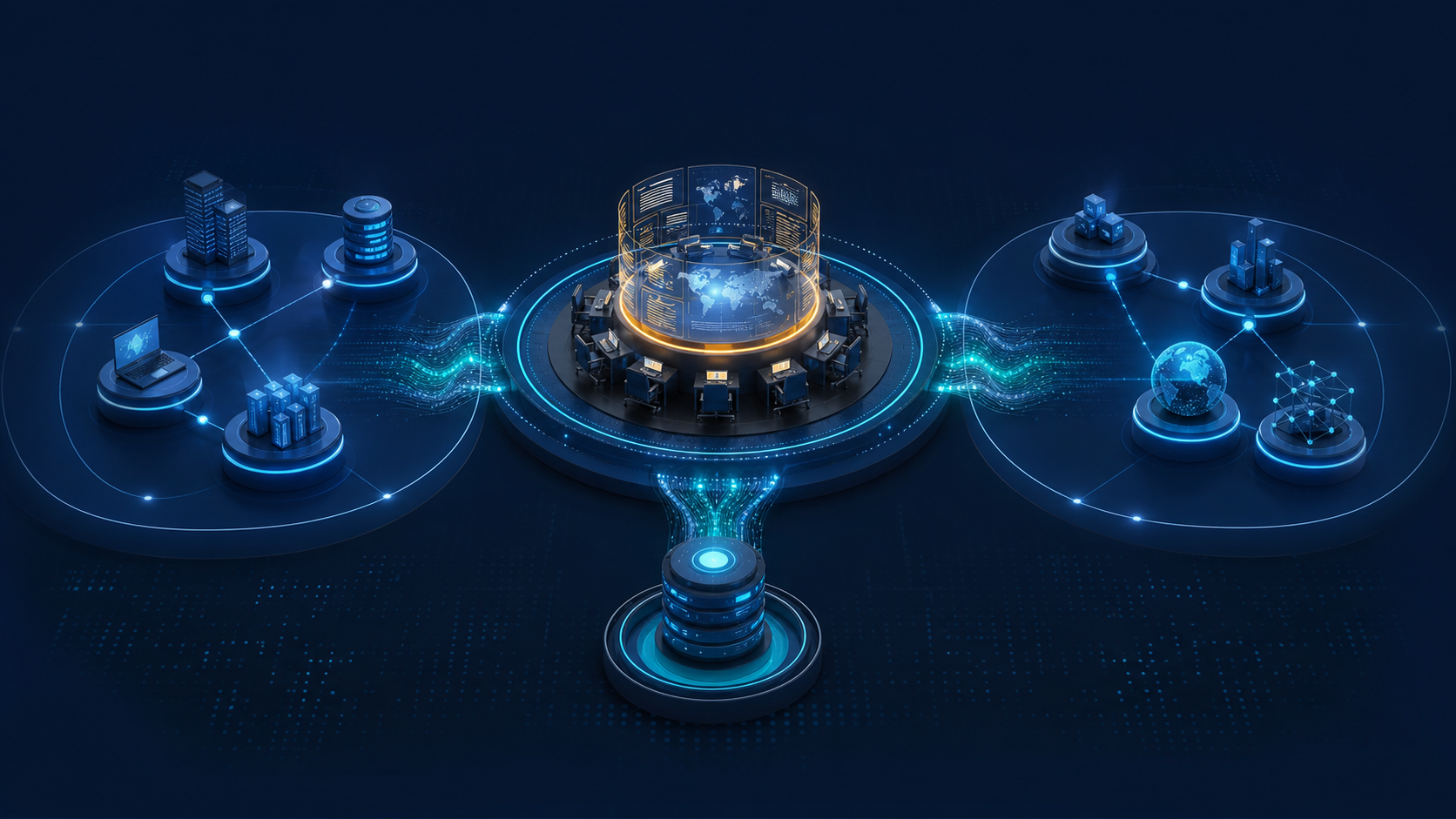
Building a Hybrid Security Operating Model with External Services
External providers can extend security capability, but accountability remains internal. Design explicit outcomes, decision rights, access boundaries, telemetry, and exit plans.
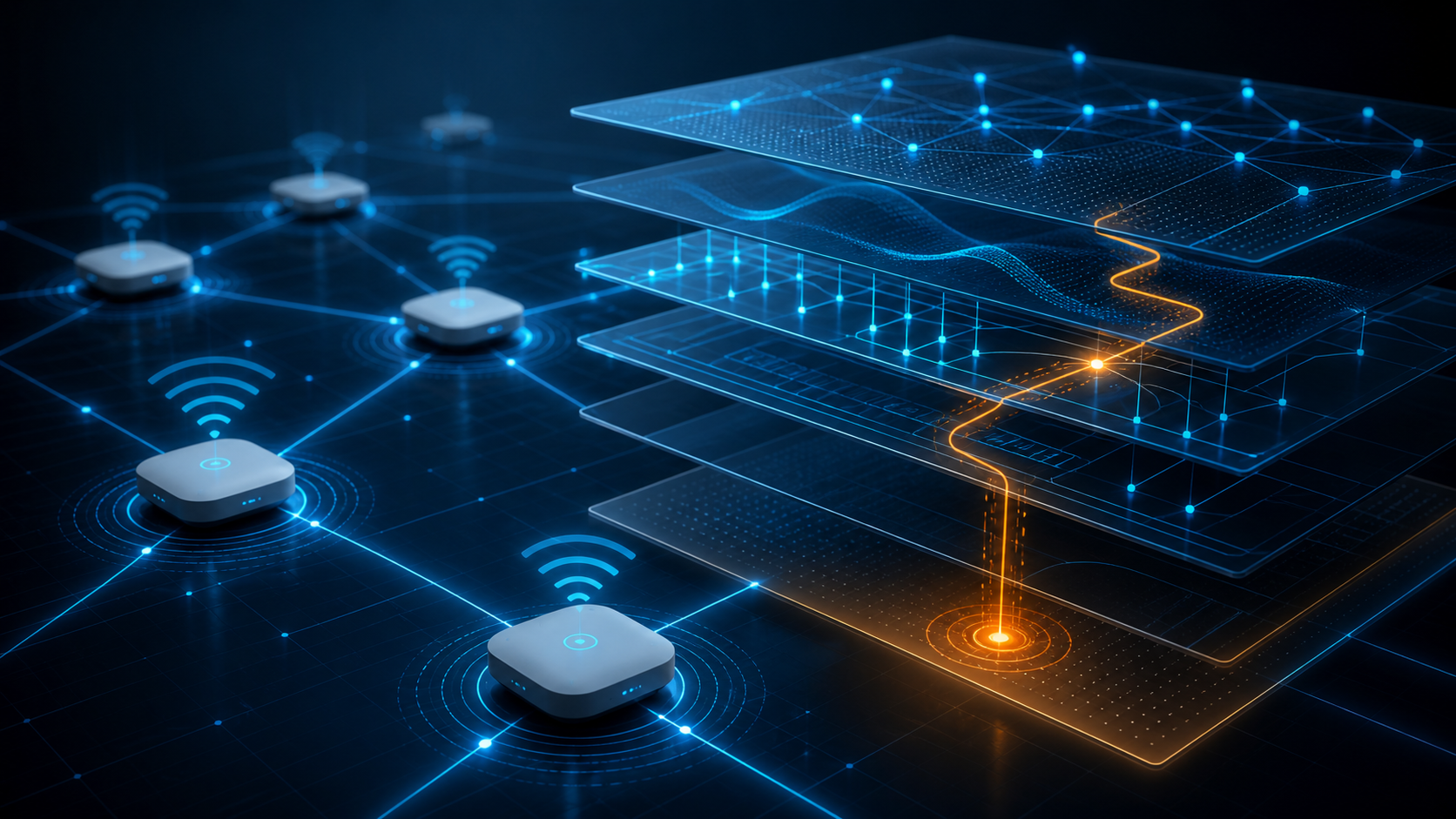
Secure Decommissioning of Wi-Fi and Network Devices
Secure device retirement removes trust as well as data: revoke identities and credentials, sanitize storage, remove management associations, and verify final disposition.

CVSS 4.0: Using Severity Without Losing Business Context
CVSS 4.0 improves severity communication, but prioritization still requires threat evidence, exposure, asset criticality, business impact, and remediation context.
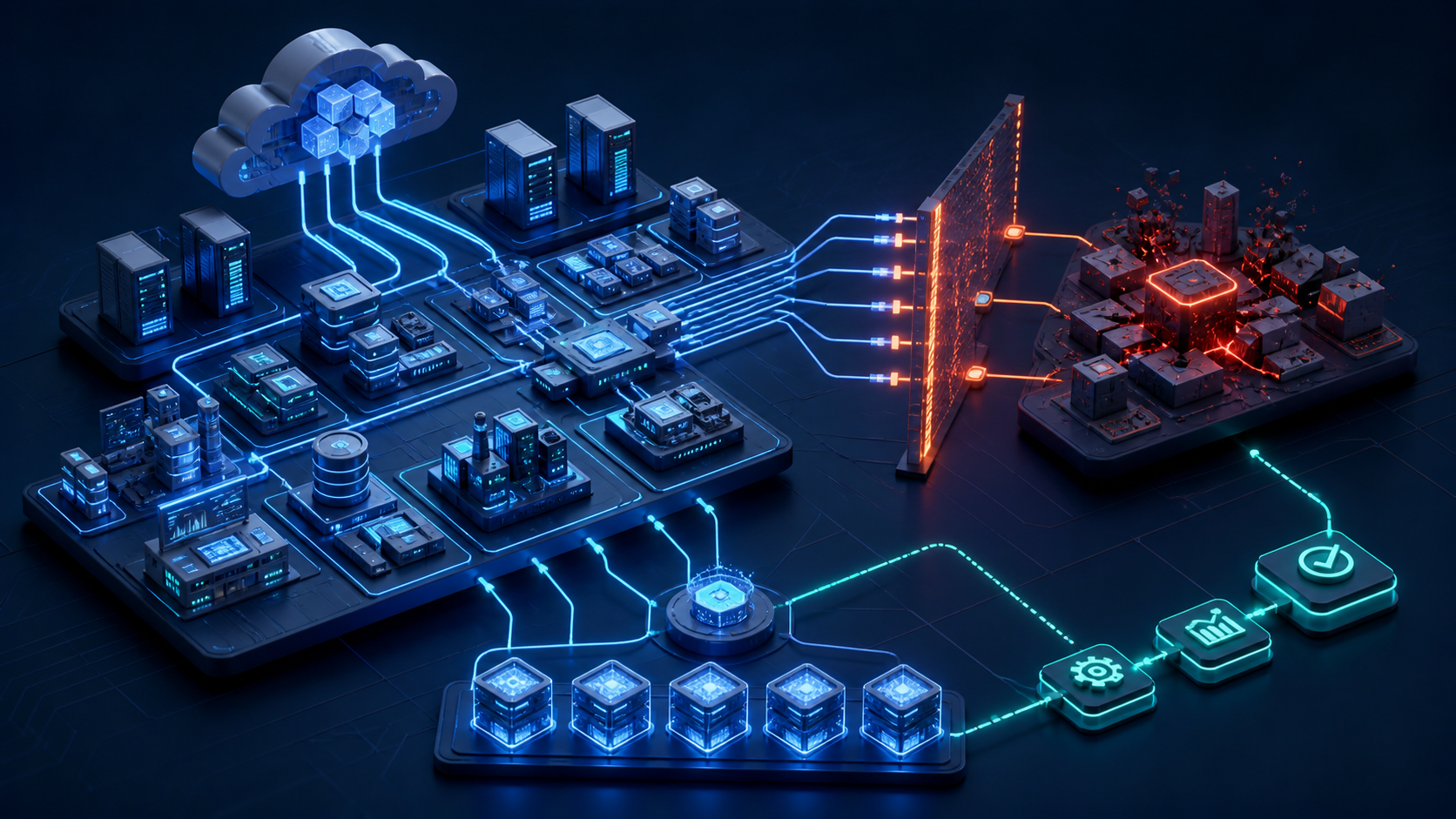
Cyber Extortion Resilience: Preparing Beyond Ransomware Prevention
Cyber extortion resilience reduces attacker leverage through identity containment, segmentation, trustworthy recovery, data knowledge, and rehearsed executive decisions.

Communicating Cyber Risk to the CISO: From Findings to Decisions
Turn technical findings into decisions by leading with business context, credible scenarios, evidence, uncertainty, options, recommendation, ownership, and timing.

Voice Deepfakes and Executive Impersonation: A Verification Playbook
AI voice impersonation makes familiarity unreliable. Protect consequential actions with independent verification, trusted contact paths, and dual control.

Strategic Cybersecurity Budgeting: Fund Outcomes, Not Tool Lists
Build cybersecurity budgets as portfolios of risk-reduction and resilience outcomes—not collections of tools, renewals, and disconnected projects.

Memory-Safe Software Roadmaps: Moving Beyond “Rewrite It in Rust”
A memory-safe software roadmap changes engineering defaults, prioritizes high-risk components, supports incremental migration, and strengthens unavoidable legacy code.
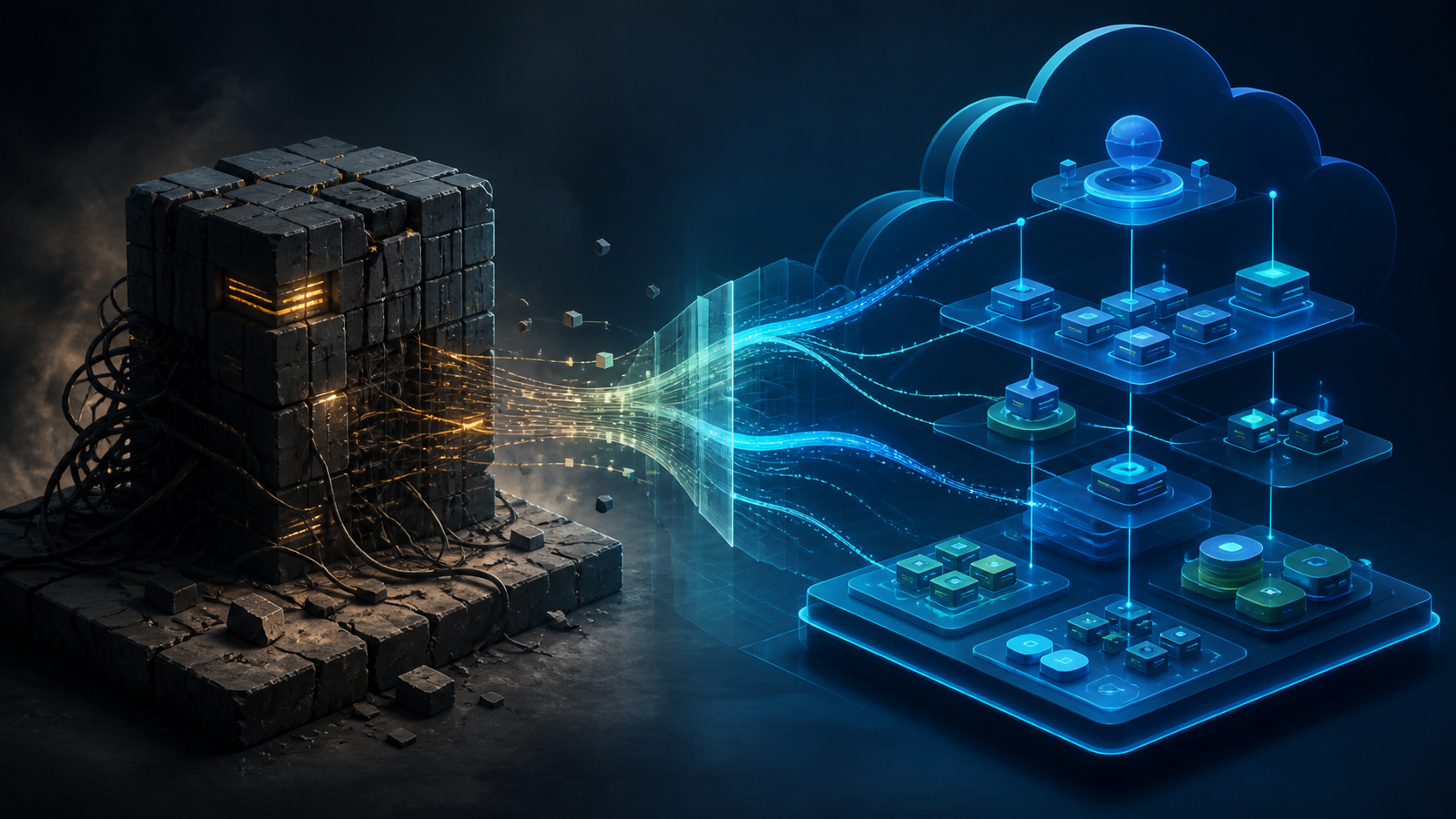
Cloud Migration Security: Modernize the Architecture, Not Just the Hosting
Cloud migration should modernize identity, segmentation, observability, data governance, resilience, and ownership—not merely relocate legacy weaknesses.