
Analysis
Cybersecurity analysis focused on architecture, governance, resilience, emerging technology, and business decisions.

Stop Treating Phishing Click Rate as a Resilience Metric
New research reinforces an old warning: phishing click rate cannot prove resilience. Leaders need evidence of credential protection, reporting, and containment.

The FBI Cyber Strategy Changes the Incident Contract
The FBI’s new cyber strategy promises faster victim support, deeper partnerships, expanded OT expertise, and AI-enabled operations. Enterprises must build the operating capability to engage before a crisis.

UK Vendor Directions Turn Procurement Into Architecture
Proposed UK powers could force critical-infrastructure operators to restrict or remove vendor technology. The practical response is dependency knowledge, safe exit architecture, and evidence that essential services can survive the change.

The Boston Scientific Outage Shows What Business Recovery Really Requires
Boston Scientific’s cyber disruption shows why recovery must restore the complete business service: manufacturing, order flow, partner trust, fulfillment, and customer status.

Chrome 152 Makes Vulnerability Throughput the New Bottleneck
Chrome 152’s 327 security fixes show how AI-assisted discovery is shifting the bottleneck into triage, remediation, release management, and deployment evidence.

The Grid’s Quantum Risk Is an Asset-Lifecycle Problem
The Quantum-GUARD Act turns post-quantum preparation into a practical question of cryptographic discovery, vendor dependency, testing, and industrial asset lifecycles.
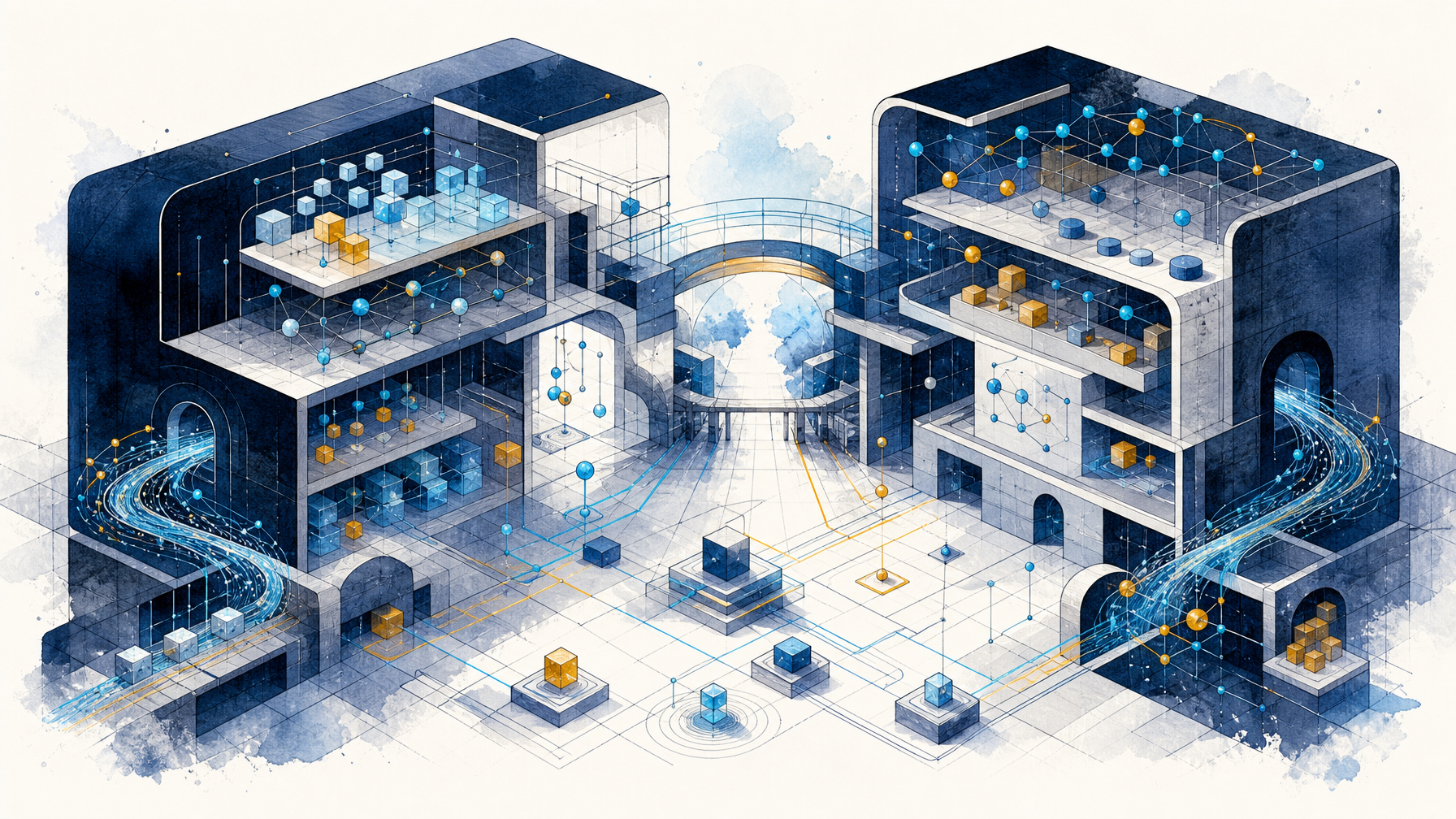
The City-Forum Campaign Exposes a SaaS Ownership Gap
The City-Forum campaign is extracting data through anonymously accessible Salesforce and ServiceNow portals. The underlying failure is not patching—it is fragmented ownership of SaaS configuration, data exposure, and operating evidence.

OT Isolation Is an Operating Model, Not a Firewall Rule
New allied guidance reframes OT isolation as the ability to sustain critical services independently—not simply disconnect networks during an incident.

The October Windows Deadline Is a Lifecycle Governance Test
October support deadlines for Windows 11 24H2 and Windows 10 LTSB 2016 require clear ownership of migrations, business exceptions, and residual risk.

The Boeing 737 Research Is a Trust-Boundary Warning
A coin-sized avionics implant shows how brief physical access can cross a trusted maintenance boundary—without proving that commercial aircraft can be remotely hijacked.