
Analysis library
Clear analysis for consequential cybersecurity decisions.
Browse independent analysis of cybersecurity architecture, business risk, resilience, AI, and emerging technology.
-
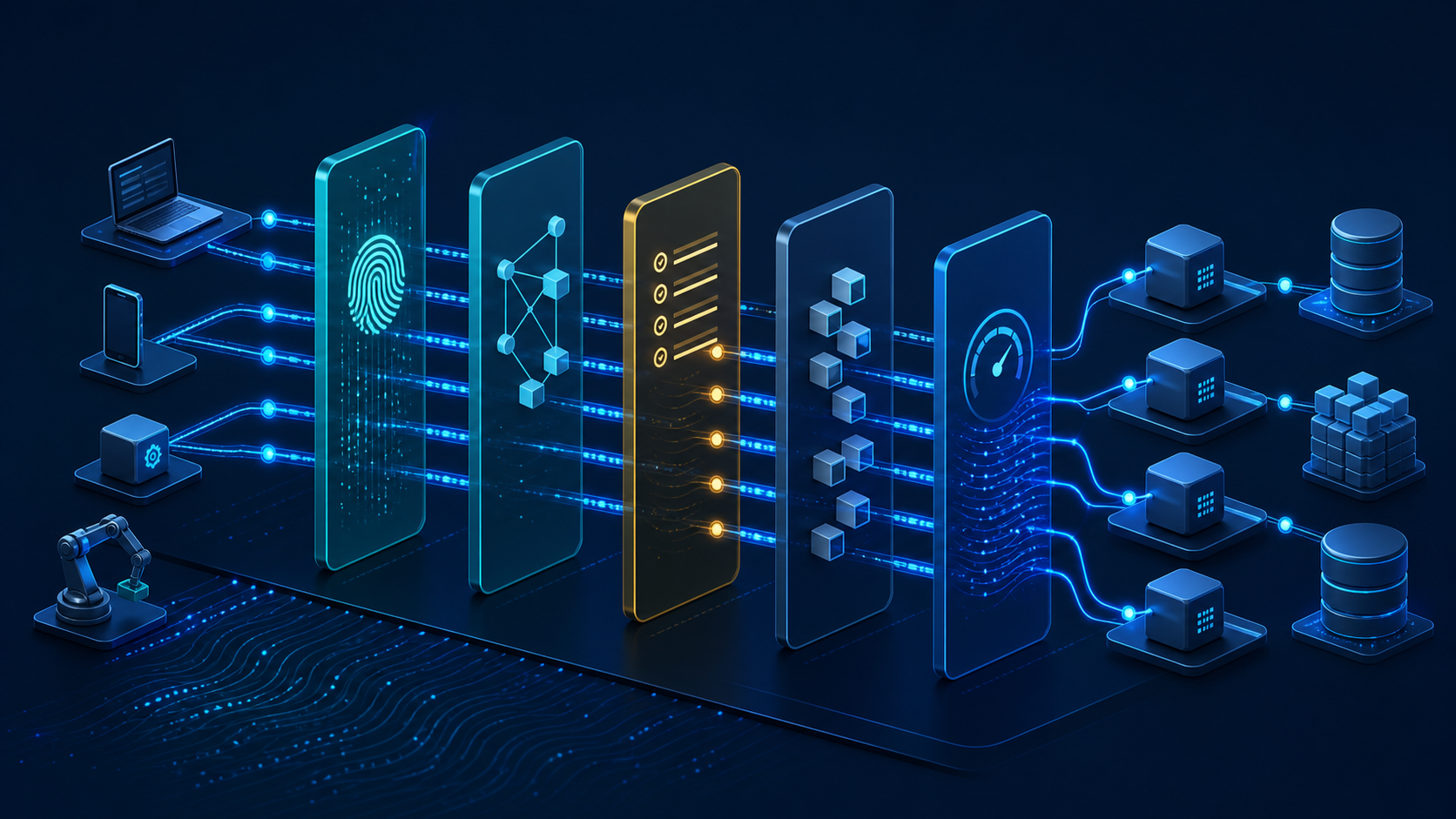
API Security Is Business Security: Architecture Priorities for Modern Enterprises
Modern API security depends on inventory, fine-grained authorization, abuse-resistant business flows, safe third-party consumption, and end-to-end transaction visibility.
-

Critical Infrastructure Cyber Resilience: Architecture Priorities for Leaders
Critical infrastructure security should preserve essential functions through consequence-driven architecture, controlled access, segmentation, trusted recovery, and realistic exercises.
-

Building a Hybrid Security Operating Model with External Services
External providers can extend security capability, but accountability remains internal. Design explicit outcomes, decision rights, access boundaries, telemetry, and exit…
-

Secure Decommissioning of Wi-Fi and Network Devices
Secure device retirement removes trust as well as data: revoke identities and credentials, sanitize storage, remove management associations, and verify…
-

CVSS 4.0: Using Severity Without Losing Business Context
CVSS 4.0 improves severity communication, but prioritization still requires threat evidence, exposure, asset criticality, business impact, and remediation context.
-

Cyber Extortion Resilience: Preparing Beyond Ransomware Prevention
Cyber extortion resilience reduces attacker leverage through identity containment, segmentation, trustworthy recovery, data knowledge, and rehearsed executive decisions.
-

Communicating Cyber Risk to the CISO: From Findings to Decisions
Turn technical findings into decisions by leading with business context, credible scenarios, evidence, uncertainty, options, recommendation, ownership, and timing.
-

Voice Deepfakes and Executive Impersonation: A Verification Playbook
AI voice impersonation makes familiarity unreliable. Protect consequential actions with independent verification, trusted contact paths, and dual control.
-

Strategic Cybersecurity Budgeting: Fund Outcomes, Not Tool Lists
Build cybersecurity budgets as portfolios of risk-reduction and resilience outcomes—not collections of tools, renewals, and disconnected projects.
-

Memory-Safe Software Roadmaps: Moving Beyond “Rewrite It in Rust”
A memory-safe software roadmap changes engineering defaults, prioritizes high-risk components, supports incremental migration, and strengthens unavoidable legacy code.
-

Cloud Migration Security: Modernize the Architecture, Not Just the Hosting
Cloud migration should modernize identity, segmentation, observability, data governance, resilience, and ownership—not merely relocate legacy weaknesses.
-

UEFI Secure Boot and Firmware Resilience: What Organizations Should Verify
Secure Boot is one part of firmware resilience. Organizations must also govern keys, updates, configuration state, measurement, exceptions, and recovery.