
Analysis library
Clear analysis for consequential cybersecurity decisions.
Browse independent analysis of cybersecurity architecture, business risk, resilience, AI, and emerging technology.
-
Weekly Cybersecurity Report: OT Trust Boundaries, Active Exploitation, and Cyber AI
An OT private-network pivot, rapid enterprise-platform exploitation, revised software supply-chain exposure, cyber-capable AI governance, and concrete post-quantum milestones lead this…
-

OT Isolation Is an Operating Model, Not a Firewall Rule
New allied guidance reframes OT isolation as the ability to sustain critical services independently—not simply disconnect networks during an incident.
-

The October Windows Deadline Is a Lifecycle Governance Test
October support deadlines for Windows 11 24H2 and Windows 10 LTSB 2016 require clear ownership of migrations, business exceptions, and…
-

The Boeing 737 Research Is a Trust-Boundary Warning
A coin-sized avionics implant shows how brief physical access can cross a trusted maintenance boundary—without proving that commercial aircraft can…
-

Black Hat USA 2026: The Security Boundary Is the Story
An executive review of Black Hat USA 2026 covering agentic AI, concentrated trust, hardware risk, resilience, and the decisions leaders…
-

Cloud Security Accountability Cannot Stop at the Contract
Recent GAO findings reveal a broader cloud lesson: provider contracts matter, but accountability depends on evidence, tested response, and enforceable…
-
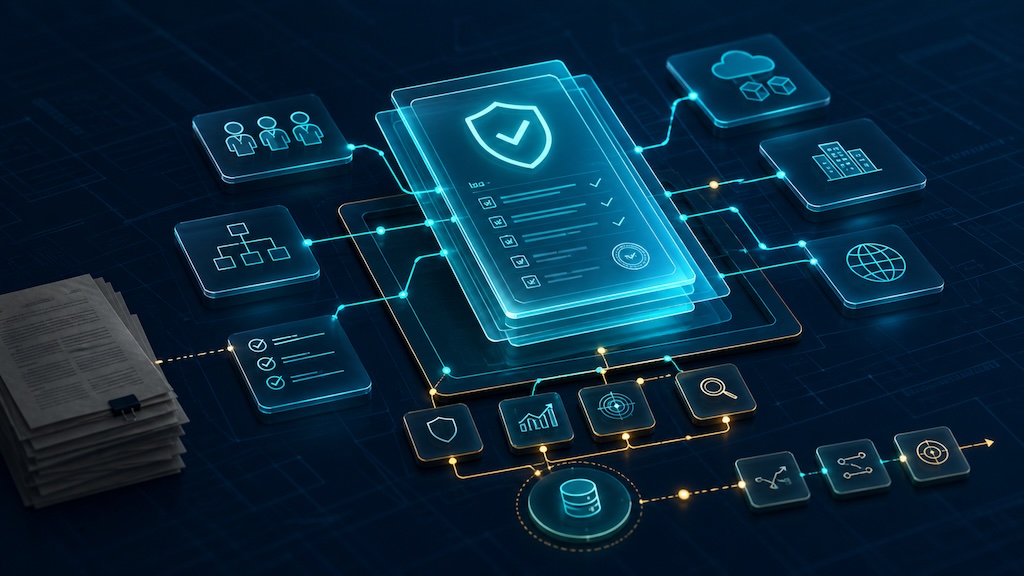
Your Security Plan Should Be an Operating Contract, Not an Audit Artifact
NIST’s updated system-planning guidance gives leaders an opportunity to connect security, privacy, and supply-chain decisions to business ownership, evidence, and…
-
Weekly Cybersecurity Report: OT Exposure, RMM Exploitation, and AI Agent Risk
Water-sector intrusions expanded, N-central required a superseding hotfix, and new research exposed consequential weaknesses in enterprise AI agents and connected…
-
Weekly Cybersecurity Report: PLM Extortion, Agentic Defense, and AI Security
A leadership brief on healthcare-data exposure, active Windchill exploitation, agentic cyber defense, and the emerging AI-security ecosystem.
-

Securing AI Agents: Moving From One-Time Approval to Continuous Assurance
Why this matters now Organizations are beginning to use AI agents for activities that extend beyond generating or summarizing information.…
-

Modernizing Enterprise Security Architecture Beyond Framework Compliance
A practical model for connecting business outcomes, risk decisions, security capabilities, architecture patterns, controls, evidence, and measurable improvement.
-

Autonomous AI as a Cyber Threat: What Leaders Should Prepare For
Agentic AI can plan, use tools, and adapt across multiple steps. Leaders should constrain identity, authority, data, execution, telemetry, and…